Sunday, 7 August 2022

Visit to Fleam Dyke - Chalk Hill Blue butterflies everywhere!

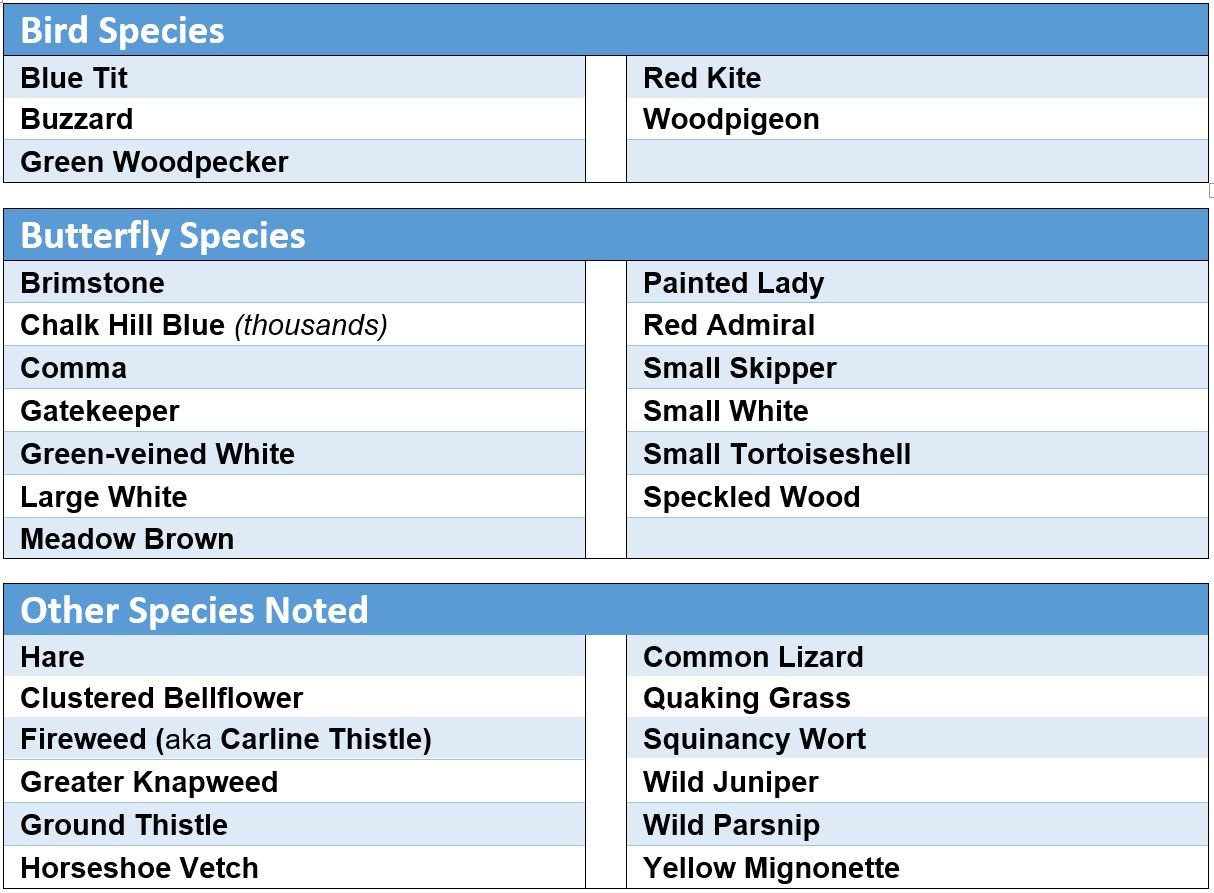
30th July 2022 - four ANW members had a great trip along Fleam Dyke, witnessing literally thousands of Chalk Hill Blue butterflies. At virtually every step there was a Chalk Hill Blue on the path, and looking either side one could easily see ten or twelve within a few feet. Along the kilometre or so of the dyke we walked, there really must have been thousands. Male Chalk Hill Blue butterflies are pale blue on the upper with a contrasting black and white border, whereas the females are mostly brown with orange spots on the lower wing, also with a white border.  Undersides are very similar to the Common Blue, but lack the bright orange spots on the upper wing, with males tending to be paler than females.

There were also one or two of several other butterfly species, and also a few interesting chalkland plants such as Horseshoe Vetch and Clustered Bellflower.

Male Chalk Hill Blue
Female Chalk Hill Blue
Male Chalk Hill Blue
Female Chalk Hill Blue
Mating pair Chalk Hill Blue
Male Chalk Hill Blue on Fireweed
Male Chalk Hill Blue
Female Chalk Hill Blue
Male Chalk Hill Blues on Common Knapweed
Male Chalk Hill Blues
Male Chalk Hill Blue and Small Skipper on Greater Knapweed
Male Chalk Hill Blue on Fireweed
Female Chalk Hill Blue
Comma [photo David F]
Nursery Web Spider
Nursery Web Spider
Nursery Web Spider
Greater Knapweed
Bryony
Ground Thistle
Squinancy Wort
Common Rock-rose
Abington NatureWatchers in action [photo David F]

[photos by Andy M, unless otherwise indicated]

Granta Park

30th July 2022 - David F saw a number of interesting species on his walk around Granta Park, including three Green Woodpecker and twelve Pied Wagtail on the cricket green. On the lake, apart from the usual Mallard, there were also five Barnacle Goose. Whilst many of the flowers had died back in the heat, there was still some Chicory out in Sluice Wood.

Barnacle Goose

Chicory


Sunday, 24 July 2022

ANW Visit to Wicken Fen

23rd July 2022 - a group of nine ANW members visited Wicken Fen Nature Reserve, owned by the National Trust. After a brief introduction from the staff, we followed the 'board walk' around part of 'old' Wicken Fen, which is one of the last remaining unimproved and undrained fens, and so contains a good diversity of 'typical fenland' flora and fauna.


Brown Hawker dragonfly [photo AM]

Ruddy Darter dragonfly [photo AM]

Ruddy Darter dragonfly [photo AM]

Common Darter dragonfly [photo AM]

Red-eyed Damselfly [photo AM]

Blue-tailed Damselfly (male) [photo AM]

Blue-tailed Damselfly (female - possibly rufescens-obsoleta form) [photo AM]

Emerald Damselfly [photo AM]

Common Darter  [photo BMB]

Red-eyed Damselfly  [photo BMB]


Brimstone on Purple Loosestrife flowers [photo AM]

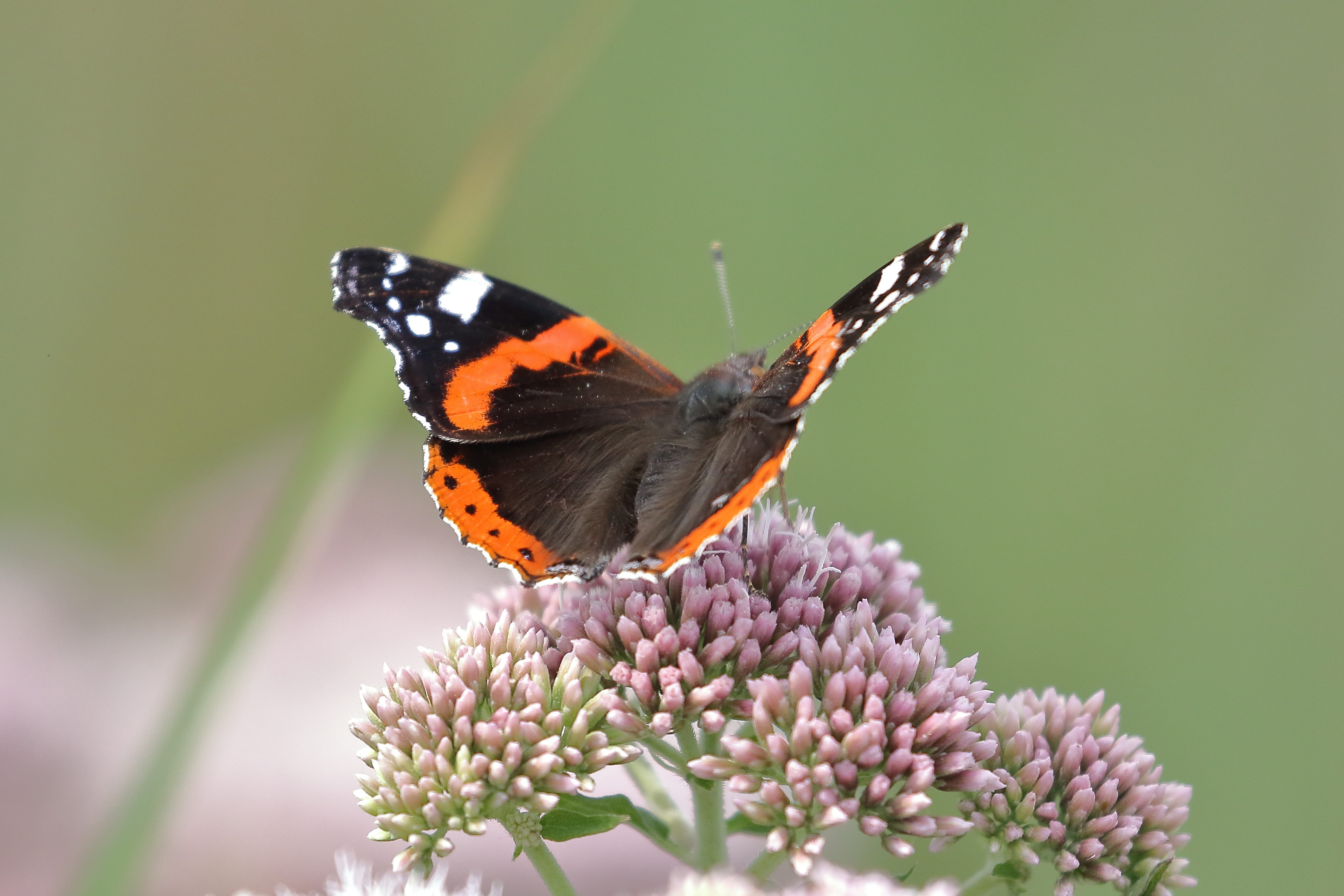
Red Admiral on Hemp Agrimony flowers [photo AM]

Red Admiral on Hemp Agrimony flowers [photo AM]

Gatekeeper on Hemp Agrimony flowers [photo AM]

Speckled Wood [photo AM]

Peacock on Hemp Agrimony flowers [photo AM]

Brimstone  [photo BMB]

Peacock  [photo BMB]

Peacock  [photo BMB]

Speckled Wood  [photo BMB]

Unknown moth (?) caterpillar [photo AM]

Juvenile Little Grebe [photo AM]

Hybrid Mallard [photo BMB]

Hybrid Mallard  [photo BMB]

Swallow, preening  [photo BMB]

Swallow  [photo BMB]


Thursday, 21 July 2022

Common Blue butterfly

19th July 2022 - Polly and Andy M spotted this Common Blue butterfly on the Marjoram whilst recently doing their Big Butterfly Count in their garden.


Holly Blue butterfly finding a drink

19th July 2022 - Perhaps not the most savoury of sources of moisture, but in this heat a drink can be hard to come by - Andy M spotted this second brood Holly Blue butterfly taking refreshment from this fresh Hedgehog dropping in the garden one morning.


Tuesday, 19 July 2022

Big Butterfly Count - 15th July to 7th August

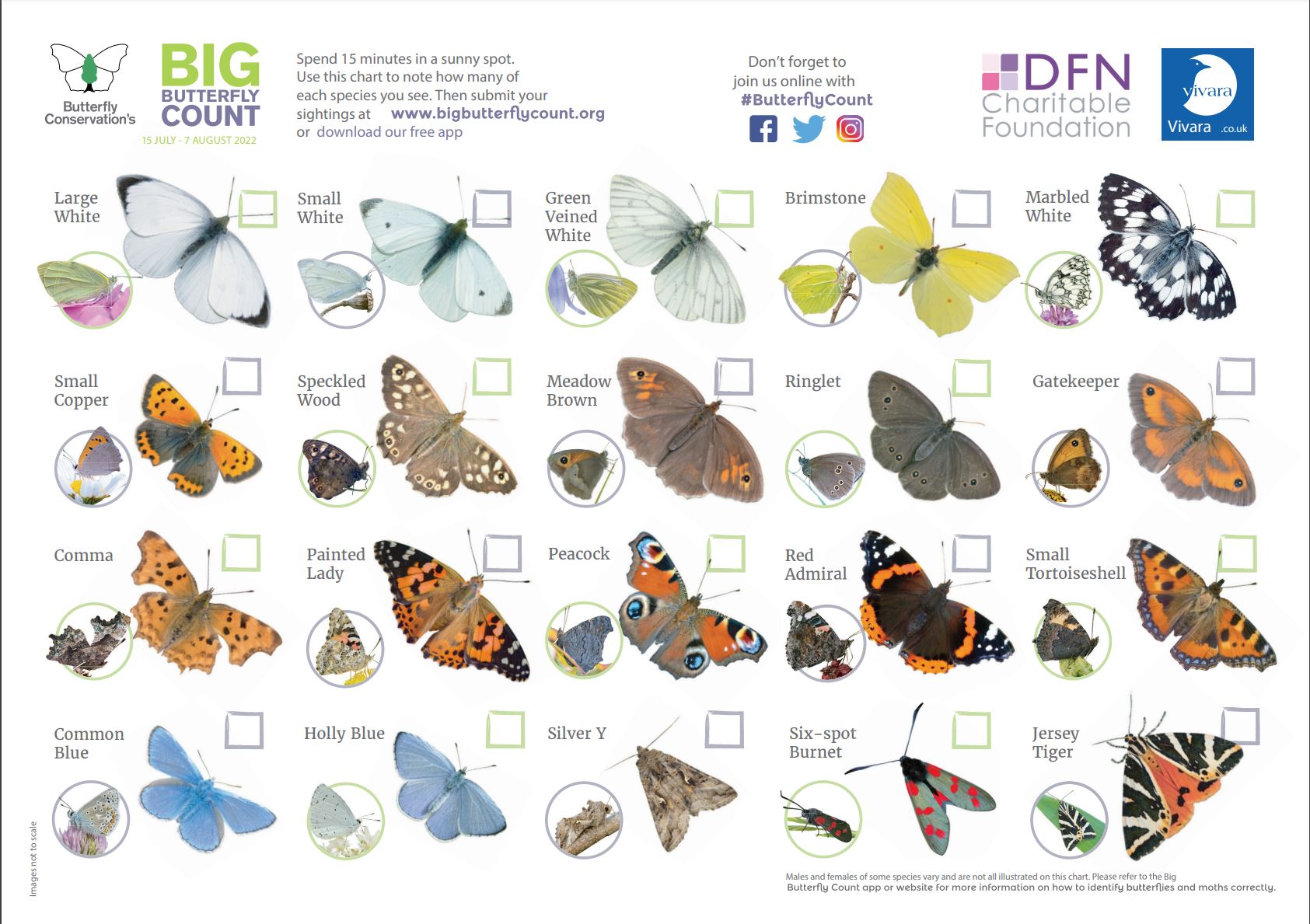
15th July to 7th August 2022 - is the period of the Big Butterfly Count, run by Butterfly Conservation nationally each year. The count involves simply noting how many of each butterfly species seen at your preferred location during just 15 minutes anytime between 15th July and 7th August. 

Further details, including this useful ID chart, and submission of your results on their website:

https://bigbutterflycount.butterfly-conservation.org/.

If you take part, and do your Big Butterfly Count in the Abingtons, please also email your results to Polly M (insect recorder for Abington NatureWatch) at polly.merryweather61@gmail.com.


Polly and Andy M just did a count in their garden this morning (19th July 09:00 to 09:15) and clocked 10 species, mostly feeding on the marjoram and lavender flowers.

The Aims of Abington Naturewatch

At their meeting on 9 April 2005 the members approved this revised version of the aims of Abington Naturewatch:

  • To monitor and record the wildlife (fauna & flora) within the borders of the Abingtons;
  • To encourage protection of our wildlife, maintain its quality and foster its diversity;
  • To promote awareness of the richness, potential and problems of the natural environment of the Abingtons;
  • To cooperate in improving access to the local natural environment for the benefit of all Abington villagers.

Pat Daunt, Founder

The organisation is informal and communication is by email if possible; members are notified of events from time to time. Contact details are maintained by a small "project team". There is currently no membership fee as costs are covered by voluntary contributions at events.

Members are encouraged to report notable sightings of flora and fauna within the Abingtons to the appropriate sector coordinator and an illustrated record is published annually.

A map of the area covered, with some features noted, is available here: http://maps.google.co.uk/maps/ms?ie=UTF8&hl=en&msa=0&msid=213774935674882866424.00000111dca2be9f06ab8&z=13>

For more information or to join, please contact David Farrant on (01223) 892871.

Contributions to our records should be sent to sector contacts or either of the above. Photographs may also be submitted to Andy Merryweather (amerryweather61@gmail.com)